How to read a tyre size
Using 195/65 R15 as an example: how to read the size marking, the load index and speed symbol, and the production week and year, and what to check before you buy.


First, copy down the markings on your current tyres' sidewalls, letters and all.
Try the numbers
Change rim width, offset or tyre size and see the difference in millimetres and on the diagram.
Reading the size marking
Hub Garage store guide
Let's read "195/65R15" one number at a time.
The tyre size is marked on the side of the tyre (the sidewall). A marking such as "195/65 R15 91H" reads from left to right:
Press a number to see what that part means.
195 — tyre width
- What it means
- Nominal tyre width (section width) in millimetres.
- In this example
- Width: 195 mm
65 — aspect ratio
- What it means
- Aspect ratio: sidewall height as a percentage of width, also called the "65 series".
- In this example
- Sidewall height: 195 × 0.65 = 126.75 mm
R — radial construction
- What it means
- Radial construction.
- Good to know
- Markings vary by tyre type and maker; some read like "235/45ZR17", with "ZR" before the rim diameter. Tyres with "ZR" in the size are radial tyres with a maximum speed above 240 km/h.
15 — rim diameter
- What it means
- Rim diameter in inches; it matches the diameter of the wheel the tyre fits.
- In this example
- Rim diameter: 15 in = 15 × 25.4 = 381 mm
- Good to know
- The number after R is not the tyre's outside diameter. Outside diameter = sidewall height × 2 + rim diameter. For 195/65 R15 that is 126.75 × 2 + 381 = 634.5 mm. This is calculated from nominal dimensions; check the actual outside diameter in the tyre maker's catalogue.
91 — load index
- What it means
- The maximum load one tyre can carry under specified conditions.
- In this example
- 91: 615 kg per tyre
- Good to know
- When replacing tyres, choose an LI equal to or higher than the original.
H — speed symbol
- What it means
- The maximum speed at which the tyre can run under specified conditions while carrying the load its LI indicates.
- In this example
- H: 210 km/h
- Good to know
- Some tyres show a ply rating (PR) for strength instead of a load index and speed symbol.
Press a number to see what that part means.
225 — tyre width
- What it means
- Nominal tyre width (section width) in millimetres.
- In this example
- Width: 225 mm
45 — aspect ratio
- What it means
- Aspect ratio: sidewall height as a percentage of width, also called the "45 series".
- In this example
- Sidewall height: 225 × 0.45 = 101.25 mm
R — radial construction
- What it means
- Radial construction.
- Good to know
- Markings vary by tyre type and maker; some read like "235/45ZR17", with "ZR" before the rim diameter. Tyres with "ZR" in the size are radial tyres with a maximum speed above 240 km/h.
17 — rim diameter
- What it means
- Rim diameter in inches; it matches the diameter of the wheel the tyre fits.
- In this example
- Rim diameter: 17 in = 17 × 25.4 = 431.8 mm
- Good to know
- The number after R is not the tyre's outside diameter. Outside diameter = sidewall height × 2 + rim diameter.
94 — load index
- What it means
- The maximum load one tyre can carry under specified conditions.
- In this example
- 94: 670 kg per tyre
- Good to know
- When replacing tyres, choose an LI equal to or higher than the original.
W — speed symbol
- What it means
- The maximum speed at which the tyre can run under specified conditions while carrying the load its LI indicates.
- In this example
- W: 270 km/h
- Good to know
- Some tyres show a ply rating (PR) for strength instead of a load index and speed symbol.
Press a number to see what that part of the marking means.
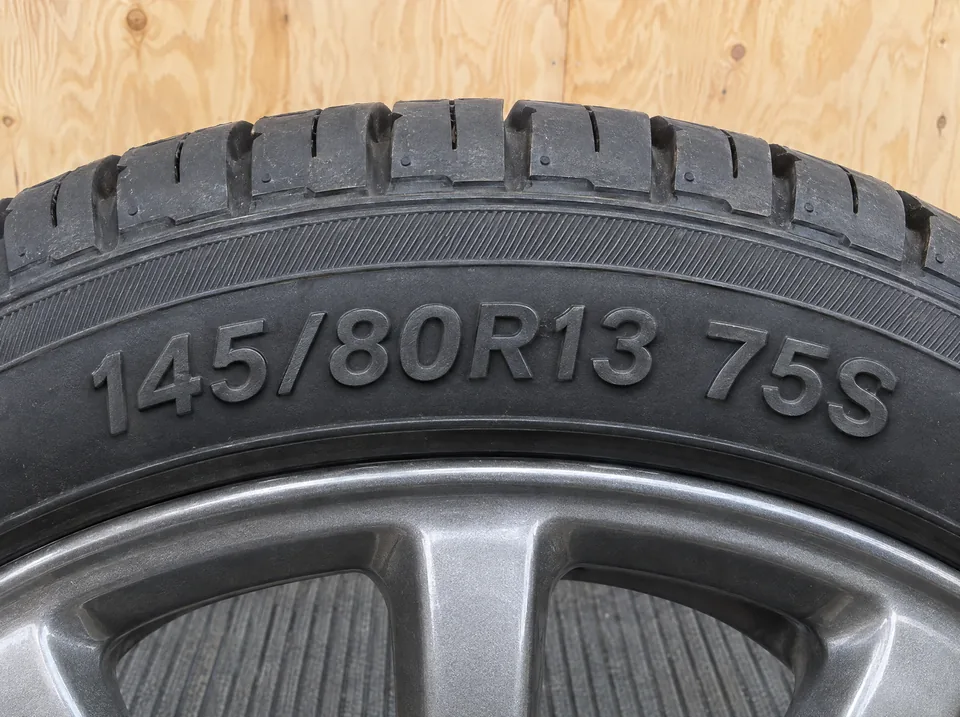
145: tyre width in mm
80: aspect ratio, the sidewall height as a percentage of the width
R13: radial construction for a 13-inch rim
75S: load index 75 and speed symbol S
Educational illustration, not a product photo.
Read more
195 — nominal tyre width (section width) in millimetres.
65 — aspect ratio: sidewall height as a percentage of width, also called the "65 series".
R — radial construction.
15 — rim diameter in inches; it matches the diameter of the wheel the tyre fits.
91H — load index and speed symbol (see "Load index and speed symbol").
The number after R is not the tyre's outside diameter. Outside diameter = sidewall height × 2 + rim diameter. For 195/65 R15 the sidewall height is 195 × 0.65 = 126.75 mm and the rim diameter is 15 × 25.4 = 381 mm, so the outside diameter is 126.75 × 2 + 381 = 634.5 mm. This is calculated from nominal dimensions; check the actual outside diameter in the tyre maker's catalogue.
Markings vary by tyre type and maker; some read like "235/45ZR17", with "ZR" before the rim diameter. The diagram's "225/45 R17 94W" reads the same way; its sidewall height is 225 × 0.45 = 101.25 mm.
Example: 195/65 R15
- Width: 195 mm
- Sidewall height: 195 × 0.65 = 126.75 mm
- Rim diameter: 15 in = 15 × 25.4 = 381 mm
- Outside diameter (calculated): 126.75 × 2 + 381 = 634.5 mm
Parts of 195/65 R15 91H6 rows
| Mark | Meaning | Unit / this example |
|---|---|---|
| 195 | Nominal tyre width | mm |
| 65 | Aspect ratio: height as a percentage of width | % (height 126.75 mm) |
| R | Radial construction | — |
| 15 | Rim diameter | inches (381 mm) |
| 91 | Load index | 615 kg per tyre |
| H | Speed symbol | 210 km/h |
Beyond the size
Hub Garage store guide
Even with the same size, check the load and speed markings too.


Matching "195/65 R15" is not enough on its own. Also check:
Load index (LI)
Where to find itNumber after the size
What to checkEqual to or higher than the original
Speed symbol
Where to find itLetter after the LI
What to checkMeets your vehicle's specification
XL (extra load)
Where to find itTyre standard
What to checkPressure set for that standard
Approved rim width
Where to find itTyre maker's catalogue
What to checkYour rim width is within the range
Vehicle-specified pressure
Where to find itLabel near the driver's door or fuel filler
What to checkReference for the original size; with a different LI or standard, pressure for the same load
Read more
Load index (LI): when replacing tyres, choose an LI equal to or higher than the original tyres. A lower LI than the original can lead to tyre damage and, in turn, an accident.
Speed symbol: check that it meets your vehicle's specification.
Inflation pressure: the vehicle-specified pressure is set by the car maker for each model and applies to tyres of the original size. If a tyre has a different LI or standard (such as XL), the pressure it needs to carry the same load can differ. Ask a tyre specialist for the pressure that gives the same load capacity as the pressure on the label. The load capacity of XL (extra load) tyres depends on pressure, so they need the correct pressure setting and closer pressure management.
Approved rim width: tyre makers set a range of rim widths for each tyre width. Check that your wheel's rim width is within it.
Vehicle-specified pressure: shown on the pressure label near the driver's door or the fuel filler.
Vehicle-specified size: the tyres currently fitted may not be the specified size, so compare them with the vehicle's specification.
Hub Garage
Hub Garage items
If the listing does not show the load index or speed symbol, ask us for the sidewall markings.
Different front and rear sizes
Hub Garage store guide
If your car uses different front and rear sizes, check both.


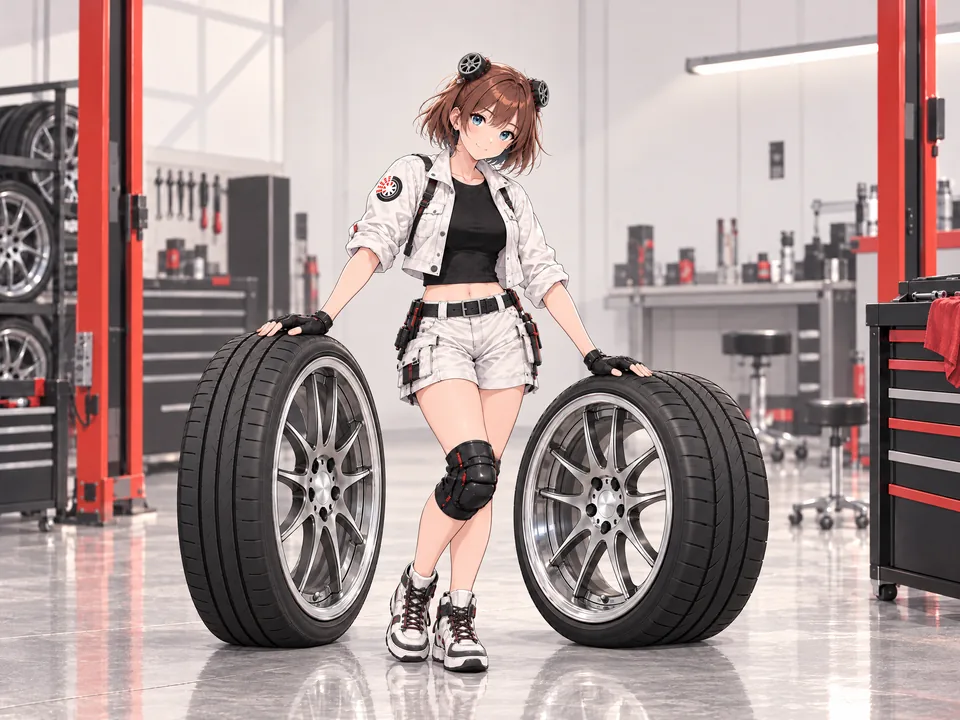
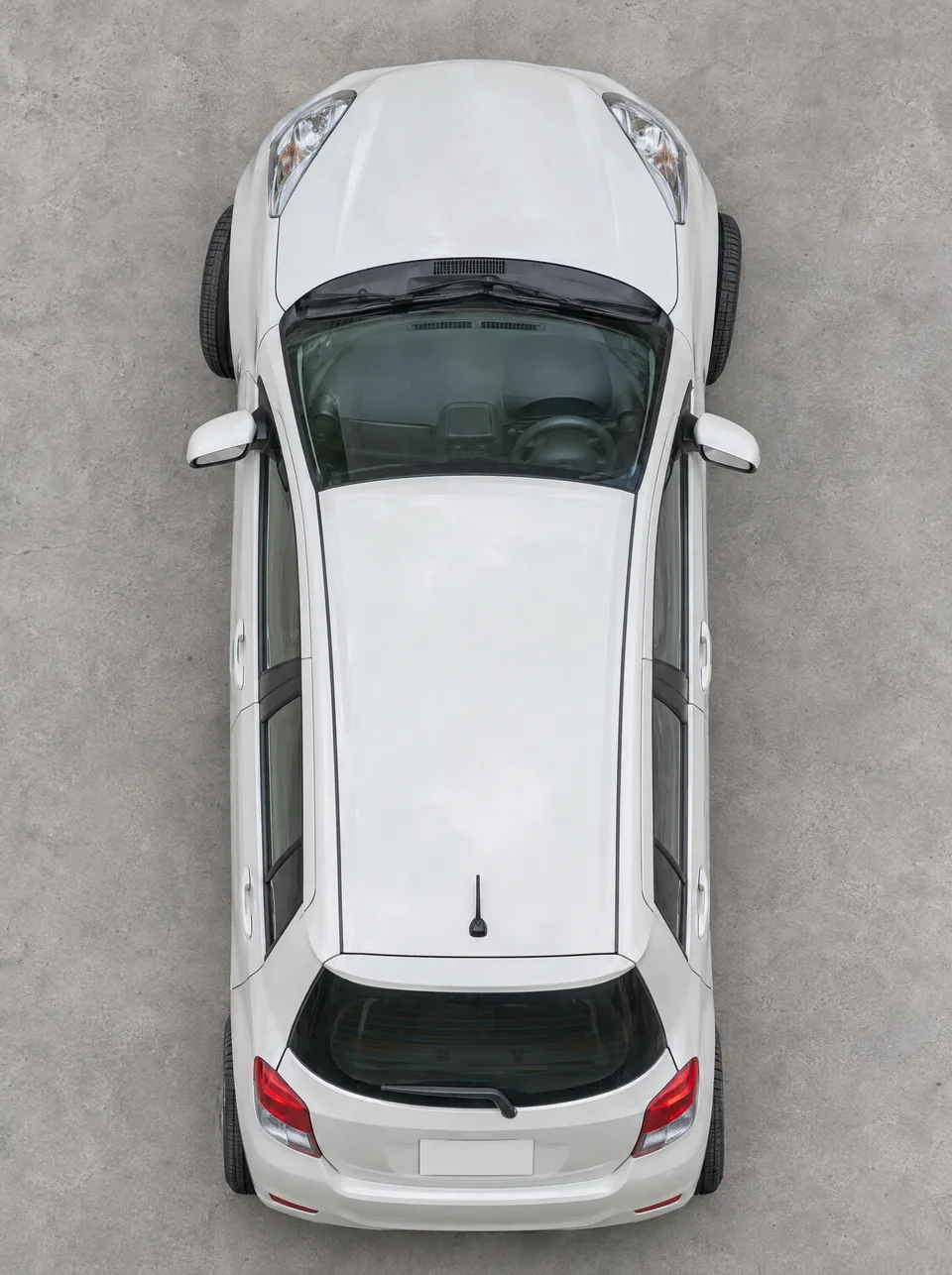
Some vehicles use different tyre sizes on the front and rear axles. In that case, check the size, load index and speed symbol for each axle. When buying a set, also confirm how many tyres you need for each axle.
Use the arrow keys to switch.
Press a number to see what to check.
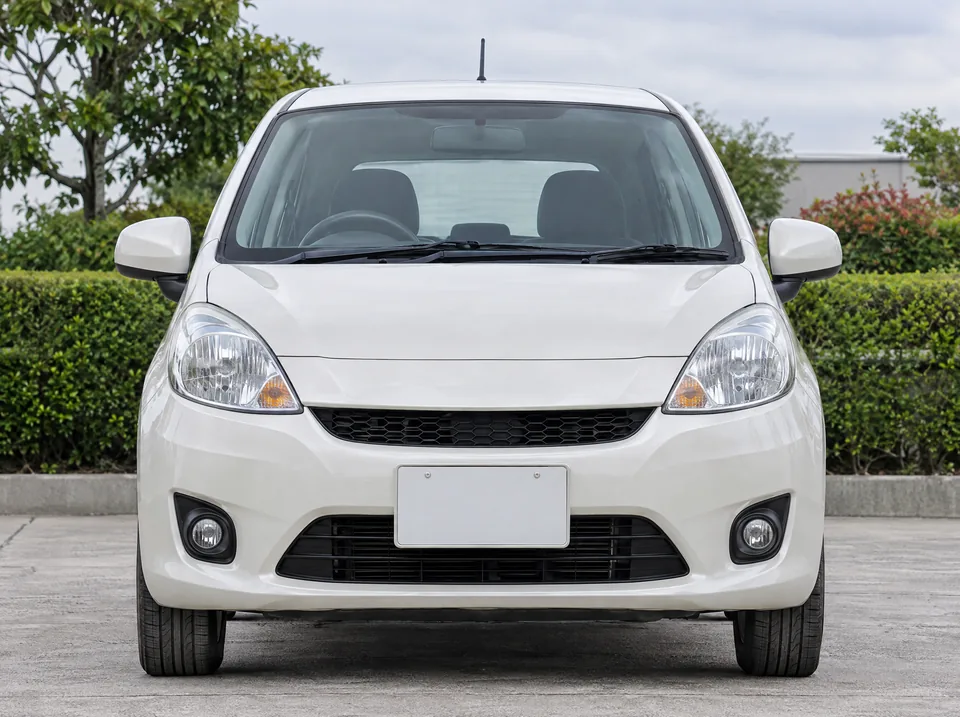
Front axle
- What to check
- Front: size, LI and speed symbol
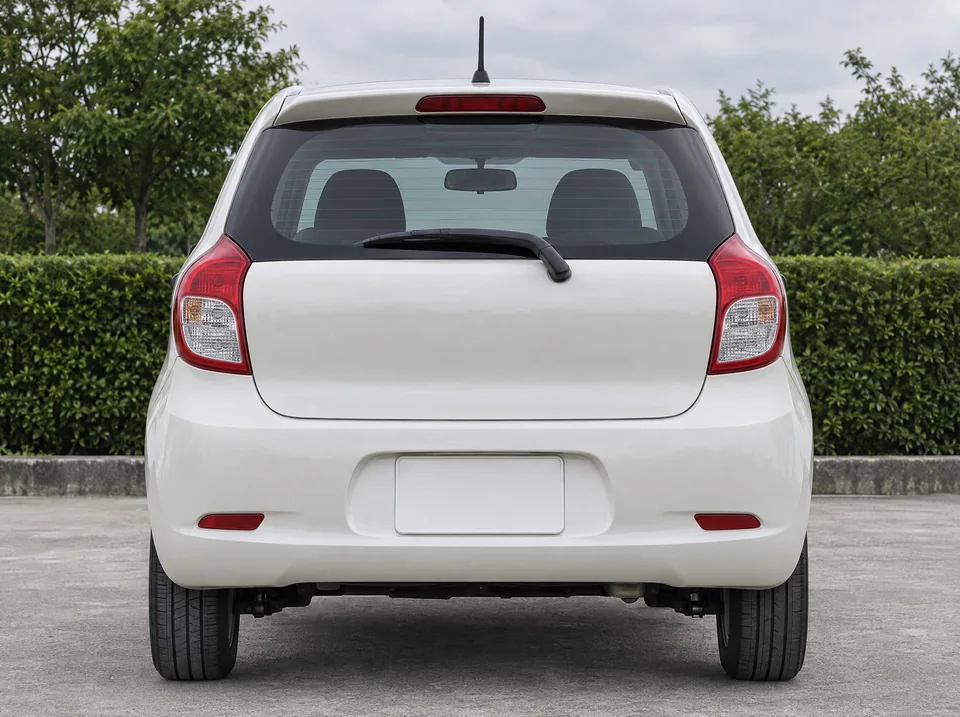
Rear axle
- What to check
- Rear: size, LI and speed symbol
How many tyres
- What to check
- How many tyres for each axle
Educational illustration, not a product photo.
Educational illustration, not a product photo.
Hub Garage
Hub Garage items
Catalogue filters show candidates that match your conditions. They do not certify that a tyre fits your vehicle.
Load index and speed symbol
Hub Garage store guide
In "91H", 91 is the load index and H the speed symbol. Compare them with your vehicle's specification.
Contact us

Try it
Decode a marking like “91H”
The number is the load index, the letter the speed symbol.
Examples
Values are read from this section’s tables (excerpt). When replacing, choose an LI equal to or higher than the original tyre.
In a marking such as "91H" after the size, the number is the load index (LI) and the letter is the speed symbol.
Read more
The load index shows the maximum load one tyre can carry under specified conditions. 91 means 615 kg per tyre; 94 in the diagram means 670 kg. When replacing tyres, choose an LI equal to or higher than the original. This load capacity is also the reference for adjusting inflation pressure, for example when changing size.
The speed symbol shows the maximum speed at which the tyre can run under specified conditions while carrying the load its LI indicates. H means 210 km/h; W in the diagram means 270 km/h. Tyres with "ZR" in the size are radial tyres with a maximum speed above 240 km/h.
Some tyres show a ply rating (PR) for strength instead of a load index and speed symbol.
Example: 91H and 94W
- 91H: 615 kg per tyre, up to 210 km/h
- 94W: 670 kg per tyre, up to 270 km/h
- If the original is 91, choose 91 or higher
Load index and load capacity (excerpt)21 rows
| LI | Load per tyre |
|---|---|
| 80 | 450 kg |
| 81 | 462 kg |
| 82 | 475 kg |
| 83 | 487 kg |
| 84 | 500 kg |
| 85 | 515 kg |
| 86 | 530 kg |
| 87 | 545 kg |
| 88 | 560 kg |
| 89 | 580 kg |
| 90 | 600 kg |
| 91 | 615 kg |
| 92 | 630 kg |
| 93 | 650 kg |
| 94 | 670 kg |
| 95 | 690 kg |
| 96 | 710 kg |
| 97 | 730 kg |
| 98 | 750 kg |
| 99 | 775 kg |
| 100 | 800 kg |
The full table for LI 62–121 is in the source.
Speed symbol and maximum speed11 rows
| Symbol | Maximum speed |
|---|---|
| L | 120 km/h |
| N | 140 km/h |
| Q | 160 km/h |
| R | 170 km/h |
| S | 180 km/h |
| T | 190 km/h |
| H | 210 km/h |
| V | 240 km/h |
| W | 270 km/h |
| Y | 300 km/h |
| ZR | over 240 km/h |
ZR is a speed category shown on radial tyres with a maximum speed above 240 km/h.
Hub Garage store guide
In "91H", 91 is the load index and H the speed symbol. Compare them with your vehicle's specification.
Contact usProduction week and year
Hub Garage store guide
The production week and year are the last four digits of the sidewall code.
Try it
When was the tyre made: the sidewall code
Enter the last 4 digits of the sidewall code: the first two are the week, the last two the year.
Examples
JATMA recommends replacing a tyre 10 years after production. It is a guideline, not an expiry date.
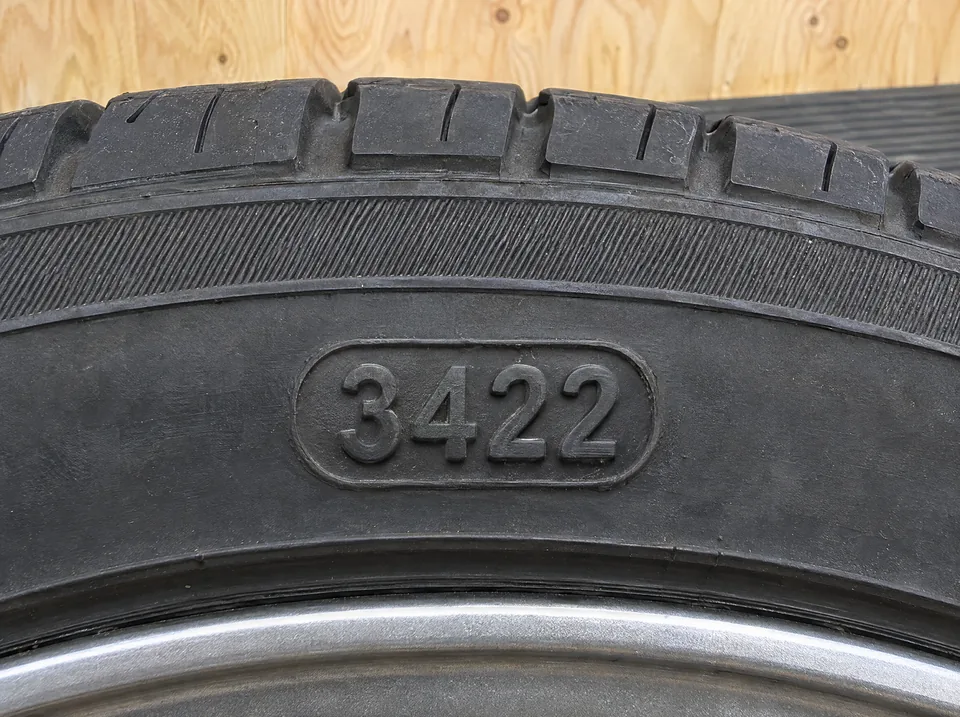
Educational illustration, not a product photo.
The production week and year are the last four digits of the serial code on the sidewall: the first two are the week and the last two the year. For example, "1220" means week 12 of 2020.
Read more
Tyres made in 1999 or earlier use the last three digits: "159" means week 15 of 1999.
How to judge age and condition is covered in "How to read photos of used tyres and wheels".
Example: 1220
- 12: week (12th)
- 20: year (2020)
- → made in week 12 of 2020
Hub Garage
Hub Garage items
Compare it with the production year shown in the listing.
Before you buy: checklist
Hub Garage store guide
A photo of your current tyres' markings makes it easier to compare with the listing.


- Size
- 195/65 R15
- LI and speed symbol
- 91H
- Production week and year
- 1220
- Front and rear sizes
- same / different
Check for yourself
Checked 0 of 6
Checking these points before you buy makes it easier to avoid choosing the wrong size. A photo of your current tyres' markings makes comparing easier.
Choosing at Hub Garage
Hub Garage store guide
If a marking is missing or anything concerns you, contact us with the item number.
Contact us

We wash and clean tyres on arrival and visually inspect scratches, dirt, wear, cracks and other visible damage.
Read more
Cracks and puncture repairs that we identify are stated in the item description. Internal damage and small air leaks cannot always be detected by visual inspection alone, and the absence of a note does not guarantee that there has been no repair or defect.
Catalogue filters show candidates that match your conditions; they do not certify that a tyre fits your vehicle. If the listing does not show the load index or speed symbol, or anything concerns you, please ask before purchase.
When you contact us, please give the item number, vehicle make and model, year, chassis code and trim.
What to tell us
- Item number
- Vehicle make and model, year, chassis code and trim
- Current tyre size, load index and speed symbol (if known)
Hub Garage
Purchase terms
Report defects in regular items within 7 days of receipt. C/D items have separate terms.
Summer tyresWinter tyresCleaning and inspectionCondition grades
Hub Garage store guide
If a marking is missing or anything concerns you, contact us with the item number.
Contact us